
What is Brainspotting?
Unlike talk therapy that primarily focuses on the “thinking brain,” Brainspotting therapy works directly with subcortical brain systems responsible for emotional memory, trauma storage, and autonomic regulation:
When we use Brainspotting to access traumatic memories, or a trauma response, the brain processes previously frozen or blocked material, allowing integration and resolution.
The brain is then allowed to form new neural pathways. This supports emotional regulation, nervous system stability, and long-term healing.
This “bottom-up” approach addresses trauma at its core neurological roots, often producing shifts that talk therapy alone cannot access.
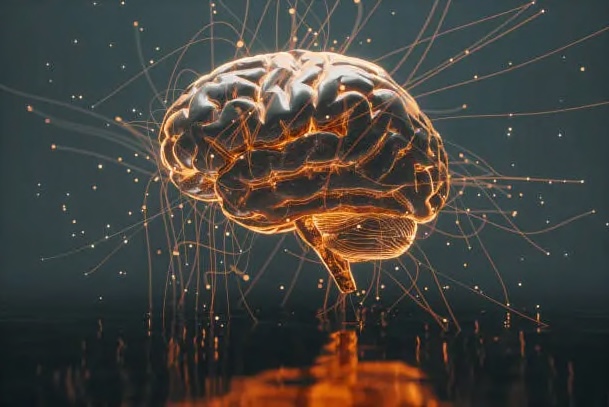
Brainspotting works to stimulate areas of the brain involved in emotional processing, fight-flight-freeze responses, and procedural memory.
Brainspotting allows us to bypass cognitive defenses. In this way, clients have the ability to access experiences stored in the body and implicit memory without needing a verbal narrative.
Brainspotting can serve as either a stand-alone therapy or as an adjunct to other therapies used in session.
Because Brainspotting allows the client’s body and brain to process at the client’s pace, treatment is tailored to be flexible and customized to each client.

Is Brainspotting Therapy Safe?
Yes . When Brainspotting therapy is provided by a trained professional it is safe, effective, and is well-tolerated, even for highly traumatized clients. To ensure each client is safe, the therapist will monitor arousal levels to avoid overwhelming the client’s nervous system. Processing remains gentle and well-paced with no forced exposure, and in many situations verbalization is not required. Brainspotting is an excellent option for clients who may experience flooding or become destabilized by traditional trauma exposure therapies. Brainspotting assists with building emotional regulation and nervous system resilience alongside trauma processing. With Brainspotting, the client maintains control of the session, including the option to pause or stop as needed. Brainspotting provides access to deep healing while minimizing emotional overwhelm, making it a preferred option for many trauma survivors.
What Conditions is Brainspotting Useful For?
You may consider Brainspotting if you have been struggling with any of the following:
- Have unresolved symptoms of trauma, even with prior therapy.
- Experience obstacles in processing emotions, or your emotions become overwhelming.
- You often feel emotionally numb, shut down, or dissociated.
- Struggle with connecting with symptoms related to your physical body due to trauma or chronic stress.
- Have experienced early childhood trauma with limited verbal memory.
- Want deeper mind-body healing that goes beyond cognitive talk therapy.
- Struggle with chronic anxiety, panic attacks, or stress-related illness.
- Face performance blocks in athletics, public speaking, or creative fields.
- Struggle with ongoing depression and typical talk therapy hasn’t helped.
- Would like to take your life in a new direction, but are struggling with where to begin.
For individuals ready to heal at the body-brain level, Brainspotting therapy offers a uniquely powerful path forward.
As a Certified Brainspoting Practitioner, Marki has dedicated years to extensive training in Brainspotting to ensure her clients receive optimal treatment and achieve the best possible outcomes. For additional inquiries regarding Brainspotting or any other services, kindly use the “Contact” tab provided.

